EU Diplomatic Academy and EU Diplomatic Programme for the Enlargement Region welcome new cohort in Bruges
Press release
14.09.2026
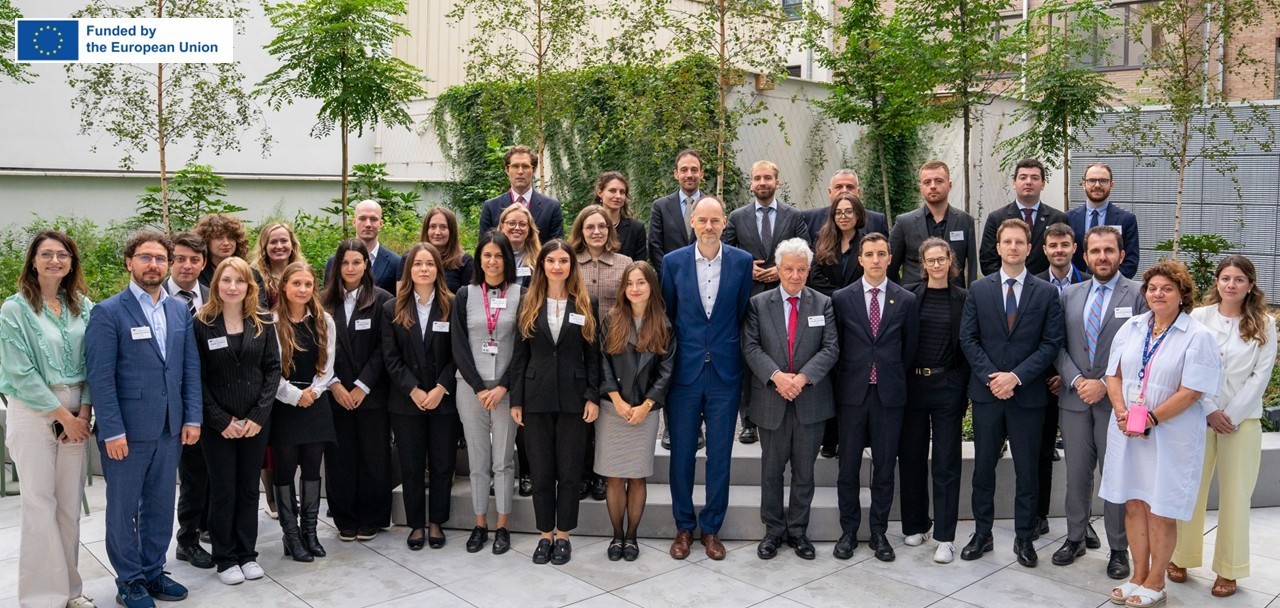
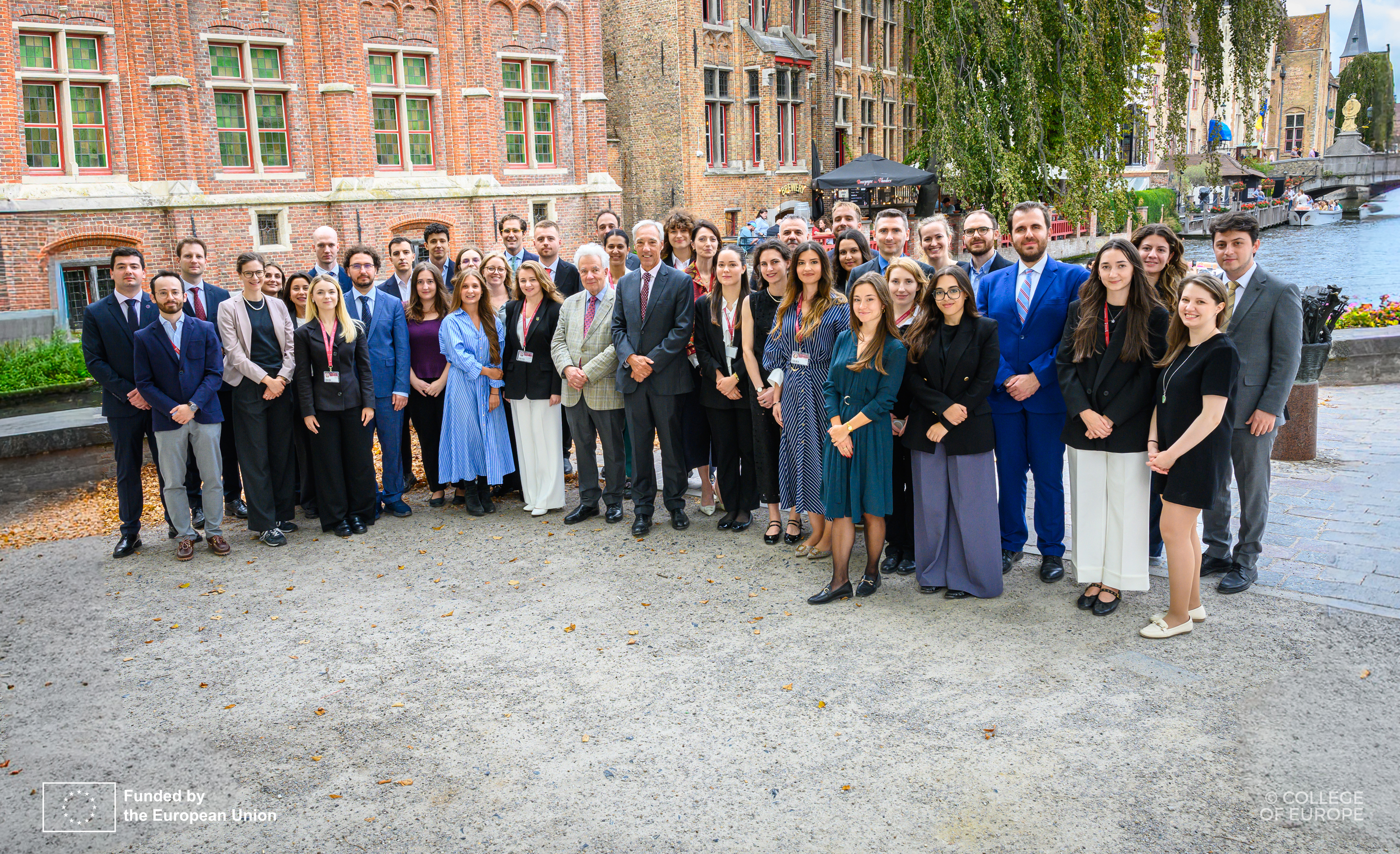
The College of Europe welcomed the first cohort of the 2026–2027 academic year of the EU Diplomatic Academy (EUDA) and the EU Diplomatic Programme for the Enlargement Region (EUDP) on 7 September in Bruges.
A total of 32 participants joined the two programmes: 18 participants from 15 EU Member States and two EU institutions, and 14 diplomats and public officials from nine countries of the EU Enlargement Region (Albania, Bosnia and Herzegovina, Georgia, Kosovo*, Moldova, Montenegro, Serbia, Türkiye and Ukraine).
The Welcome Session at the College of Europe provided participants with an opportunity to familiarize themselves with the programmes, their curricula and practical arrangements, as well as with the College and its community. The day included presentations by the programme team, an entry test, a tour of the College’s library and Dijver campus, and a welcome reception hosted by the Rector of the College of Europe, Dr João Gomes Cravinho.
During the kick-off days in Brussels (8–9 September), participants were hosted by officials from the European External Action Service (EEAS) and the Directorate-General for Enlargement and Eastern Neighborhood (DG ENEST). At the EEAS, they exchanged with the newly appointed Head of the EUDA, Francesco Fini, on the EU’s external action and diplomatic work. At DG ENEST, they met Christophe Galant, Head of Unit for Regional Strategy and Investments, Thomas Hagleitner, Head of Unit for Enlargement Strategy and Coordination, as well as other officials covering the respective enlargement countries, discussing the EU enlargement process and country-specific developments.
The participants had already begun their programme with the EU Frontier Study Trip Module, held from 27 August to 2 September at the College of Europe’s Natolin campus and across Warsaw and south-eastern Poland. The study trip combined academic discussions and institutional visits, including exchanges with the Polish Ministry of Foreign Affairs, Frontex, and local authorities in Przemyśl and Rzeszów, as well as a visit to the EU external border at the Medyka border crossing. The module provided participants with an opportunity to explore first-hand geopolitical, security and border-related challenges shaping the European Union’s eastern neighbourhood.
Building a common European diplomatic culture
The EUDA and EUDP share a common objective of fostering a European diplomatic culture, bringing together diplomats and officials with diverse professional and national backgrounds and creating opportunities to develop a strong esprit de corps and lasting professional networks.
“The EUDA and EUDP are designed not only to provide participants with knowledge and practical skills, but also to bring together a new generation of diplomats and officials who can learn from each other and develop a shared European diplomatic perspective,” said Ambassador Thomas Mayr-Harting, Director of the EU Diplomatic Academy. “The diversity of this cohort is one of its greatest strengths, and I am confident that the connections established here in Bruges will last well beyond the programme.”
While the EUDA focuses on EU external action, including the procedural and substantive knowledge specific to EU institutions, the EUDP places particular emphasis on EU enlargement, accession and negotiations, alongside EU foreign, security and defence policy.
The programmes combine lectures, practical exercises, current affairs debates, study visits and professional exchanges, with a strong emphasis on practical application and engagement with practitioners from EU institutions, Member States and partner countries. Part of the curriculum is delivered jointly, while dedicated activities allow each programme to address its specific objectives and participants’ professional needs.
The launch of the new academic year brings together participants from across the European Union and the Enlargement Region in Bruges for an intensive period of learning, exchange and professional development.
Both Programmes are funded by the European Union: the EU Diplomatic Academy is funded by the FPI, while the EU Diplomatic Programme for the Enlargement Region is funded by DG ENEST.
* This designation is without prejudice to positions on status, and is in line with UNSCR 1244/1999 and the ICJ Opinion on the Kosovo declaration of independence.